By the end of the session, students should be able to:
- Understand what literature is and discover its various forms.
- Develop a love for reading and exploring books.
- Improve their reading comprehension.
- Expand their vocabulary and oral expression skills.
- Stimulate their imagination and creativity.
- Invent and write an original story.
- Build self-confidence by sharing a story in front of others.
- Learn to listen to, respect, and appreciate the ideas of others.
- Discover different cultures through books and stories.
- Develop their critical thinking skills and capacity for reflection.

Practical activities include, but are not limited to, the following:
- ACTIVITY 1: What is literature?
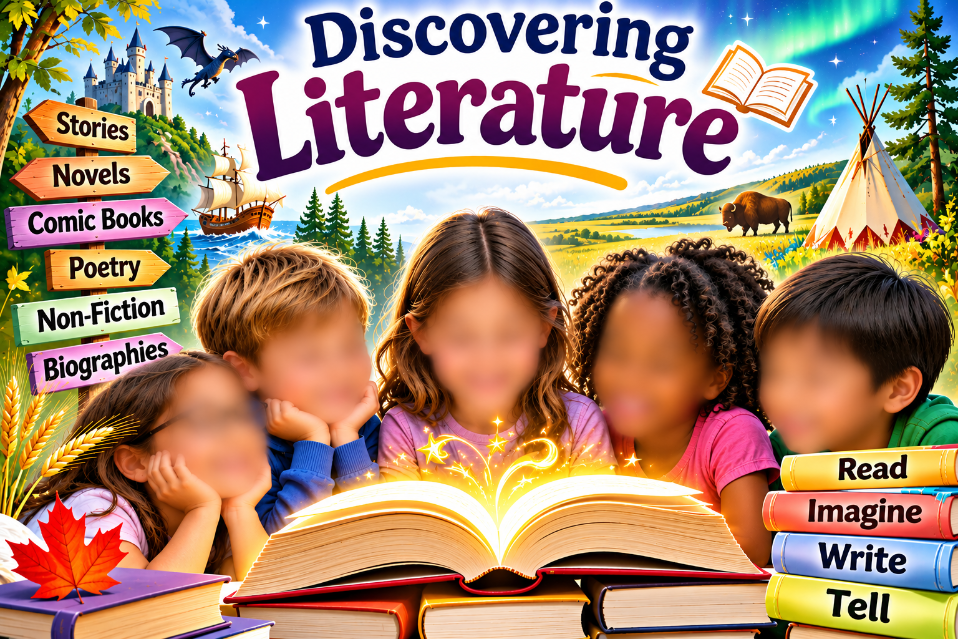
An introduction to various types of books (historical accounts, poetry books, children’s novels, fairy tales and legends, etc.).
- ACTIVITY 2: A journey through stories
Developing listening skills, comprehension, and imagination. After reading a story, we ask the students several questions and then invite them to imagine an alternative ending.
- ACTIVITY 3: Become a young writer!
Learning to create an original story; each student must invent a story based on a theme presented in class. Younger children may illustrate their story and recount it orally.
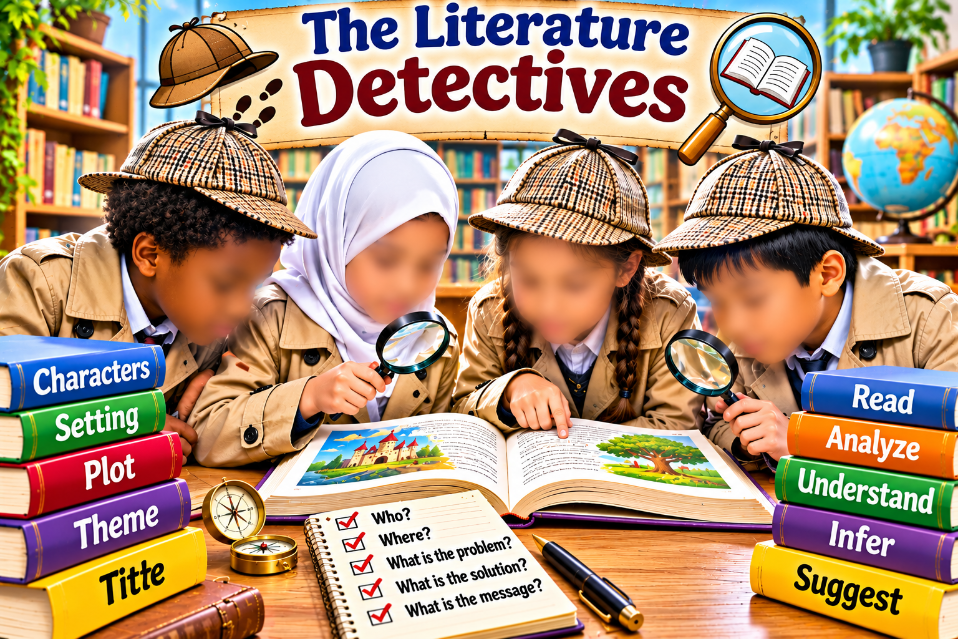
- ACTIVITY 4: Literary detectives
Developing comprehension and critical thinking. Students work in small groups, with each group receiving a short text to analyze. They must come up with an alternative title for the story and explain their choice.
- ACTIVITY 5: My first illustrated book
Turning students' ideas into an actual literary creation. Each student produces their own mini-book.
- ACTIVITY 6: The young authors' festival
Building self-confidence and communication skills. Each student presents their mini-book to their classmates. Other students are encouraged to ask questions and offer praise to the young authors. At the end, we symbolically present a certificate: "Budding Young Author."
A cultural dimension tailored to the specific province
To make this workshop especially engaging for schools in a given province, we incorporate a local cultural dimension.
Some compelling themes include:
A. Francophone literature
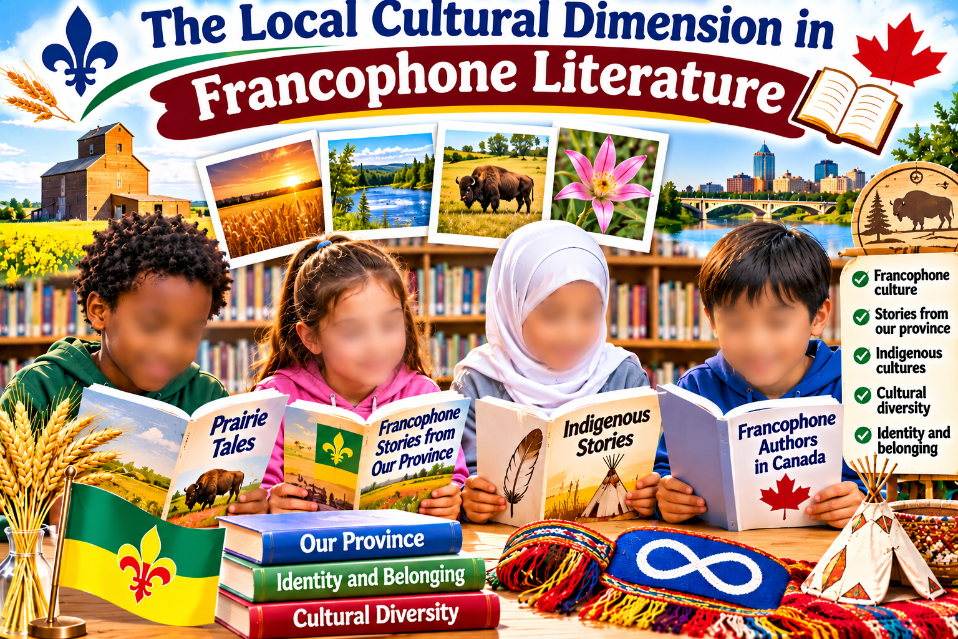
• Exploring the culture of the Francophone community (e.g., the Fransaskois community in Saskatchewan).
• Discovering Francophone authors from the region.
• Reading stories about life on the Prairies.
B. Cultural diversity
• Exploring the stories and traditions of various communities.
• Writing a story about respecting differences.
• Sharing family and cultural stories.
C. Indigenous cultures
• Exploring Indigenous narratives using resources and books created or endorsed by Indigenous authors and communities.
• Learning about the importance of oral tradition.
• Understanding the role of stories in passing on knowledge and traditions.
D. Identity and belonging
• Writing a story about one’s own school.
• Describing what makes one’s community special.
• Imagining what the province might look like in 50 years.

Nous rappelons que cet atelier est adapté selon l'âge et les compétences des participants.

© Copyright ENSEMBLE COMMUNITY - 2026 - Tous droits réservés.
Make a free website with Yola